Drone technology in agriculture
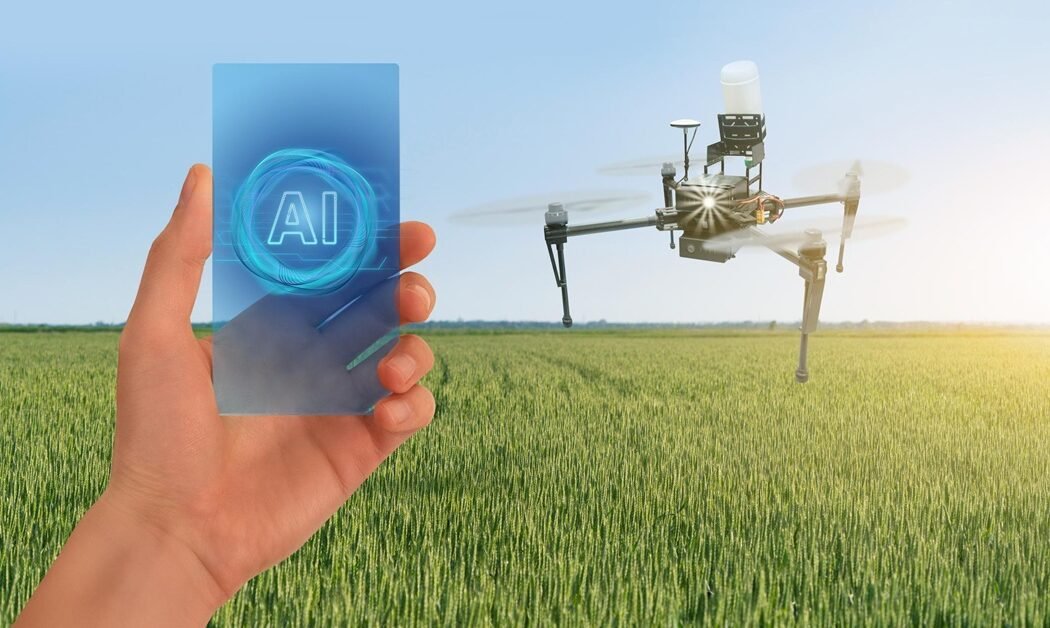
Drone technology is rapidly transforming modern agriculture by helping farmers monitor crops, spray fertilizers and pesticides, and analyze field conditions more efficiently. Agricultural drones are equipped with advanced cameras, sensors, and GPS systems that capture high-resolution images of farmland. These images help farmers identify crop health, water stress, pest infestations, and soil conditions quickly, allowing them to take timely action and improve productivity.
Using drones in agriculture reduces the time, labor, and cost involved in traditional farming practices. Farmers can survey large agricultural fields within minutes and obtain accurate data about crop growth and field conditions. This technology also supports precision farming, where inputs such as water, fertilizers, and pesticides are applied only where needed. As a result, drone technology helps improve crop yields, reduce resource wastage, and promote sustainable farming practices.
Key Benefits of Drone Technology in Agriculture
Using drones in agriculture reduces the time, labor, and cost involved in traditional farming practices. Farmers can survey large agricultural fields within minutes and obtain accurate data about crop growth and field conditions
- Faster Field Monitoring: Drones can survey large fields quickly and provide real-time crop data.
- Precision Spraying: Fertilizers and pesticides can be applied accurately, reducing waste and cost.
- Improved Crop Health Monitoring: Advanced sensors help detect diseases and nutrient deficiencies early.
- Time and Labor Saving: Farmers can manage large farms more efficiently with less manual effort.
Drone technology is rapidly transforming modern agriculture by helping farmers monitor crops, spray fertilizers and pesticides, and analyze field conditions more efficiently.