Organic and Natural Farming Methods
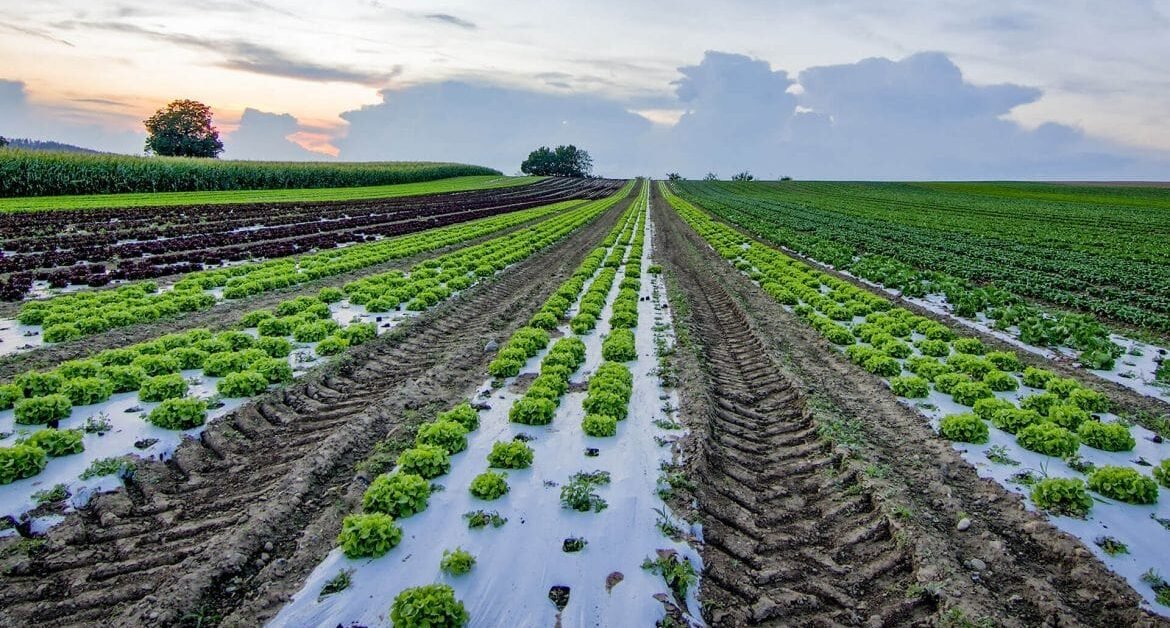
Organic and natural farming methods focus on growing crops without the use of harmful chemical fertilizers, pesticides, or synthetic substances. Instead, these methods rely on natural resources such as compost, green manure, cow dung, crop rotation, and biological pest control to maintain soil fertility and protect crops. Organic farming helps preserve the natural balance of the ecosystem while producing healthy and chemical-free food for consumers.
Natural farming also improves soil health and increases biodiversity in agricultural fields. By using natural fertilizers and eco-friendly pest management techniques, farmers can reduce production costs and protect the environment. These farming methods promote sustainable agriculture and ensure long-term productivity by improving soil structure, water retention, and microbial activity in the soil.
Key Benefits of Organic and Natural Farming
Organic farming helps preserve the natural balance of the ecosystem while producing healthy and chemical-free food for consumers.
- Chemical-Free Food Production: Crops are grown without harmful chemicals, making them healthier for consumers.
- Improved Soil Fertility: Organic materials such as compost and manure enhance soil nutrients.
- Environmental Protection: Reduces soil, water, and air pollution caused by chemical fertilizers.
- Sustainable Farming Practice: Supports long-term agricultural productivity and biodiversity.
Natural farming also improves soil health and increases biodiversity in agricultural fields. By using natural fertilizers and eco-friendly pest management techniques, farmers can reduce production costs and protect the environment.