Greenhouse Farming
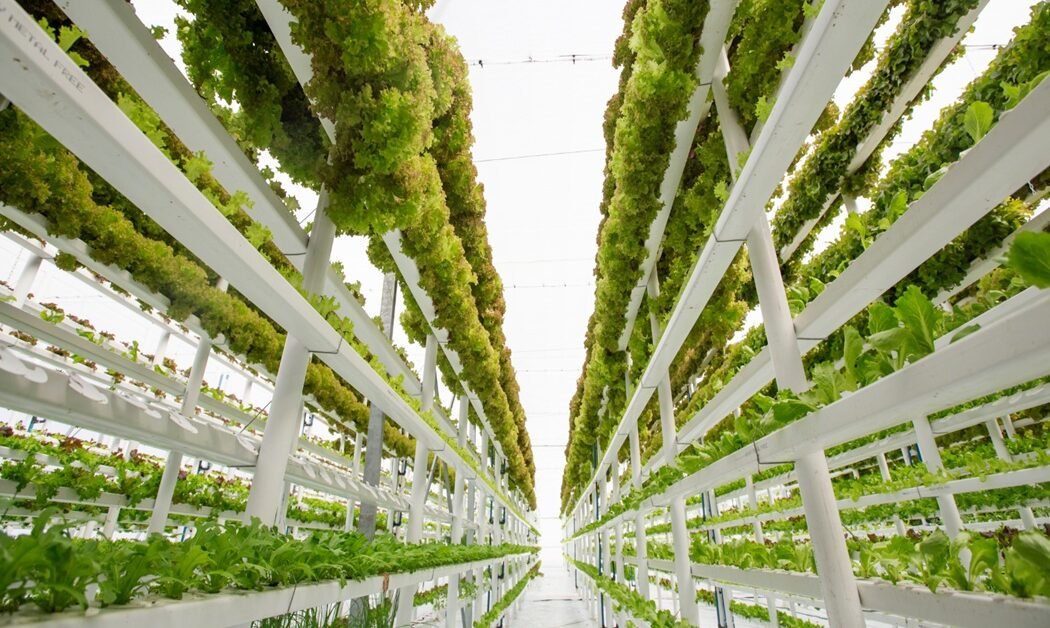
Greenhouse farming is a modern agricultural technique in which crops are grown inside a protected structure made of transparent materials such as glass or plastic. This structure allows sunlight to enter while protecting plants from extreme weather conditions, pests, and diseases. By controlling temperature, humidity, and light inside the greenhouse, farmers can create the ideal environment for plant growth throughout the year.
This farming method is widely used for cultivating vegetables, fruits, flowers, and high-value crops. Greenhouse farming helps increase crop productivity and quality while reducing the risk of crop damage caused by unpredictable weather conditions such as heavy rain, strong winds, or extreme heat. It also allows farmers to grow crops off-season, which can result in better market prices and higher profits.
Key Benefits of Greenhouse Farming
Greenhouse farming is a modern agricultural technique in which crops are grown inside a protected structure made of transparent materials such as glass or plastic.
- Year-Round Crop Production: Crops can be grown in all seasons regardless of weather conditions.
- Higher Yield and Quality: Controlled environment improves plant growth and crop quality.
- Protection from Pests and Diseases: Crops are protected from many external pests and environmental threats.
- Efficient Use of Resources: Water, fertilizers, and nutrients can be managed more efficiently.
This structure allows sunlight to enter while protecting plants from extreme weather conditions, pests, and diseases. By controlling temperature, humidity, and light inside the greenhouse, farmers can create the ideal environment for plant growth throughout the year.