Drip irrigation systems
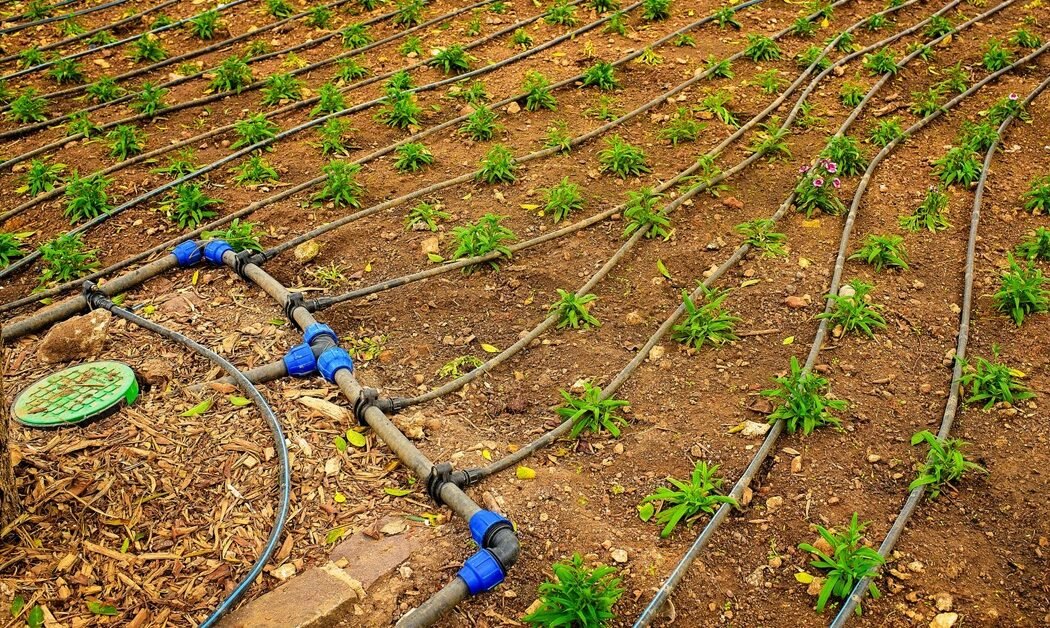
Drip irrigation is a modern and highly efficient irrigation method that delivers water directly to the root zone of plants through a network of pipes, valves, and emitters. This system allows water to drip slowly into the soil, ensuring that crops receive the exact amount of moisture they need for healthy growth. Unlike traditional irrigation methods, drip irrigation minimizes water wastage and prevents excessive evaporation, making it ideal for regions where water resources are limited.
This irrigation technique is widely used in agriculture for crops such as vegetables, fruits, and plantations because it improves crop productivity while reducing labor and fertilizer usage. Drip irrigation also helps maintain proper soil moisture levels, prevents weed growth, and reduces the risk of plant diseases caused by overwatering. By adopting drip irrigation systems, farmers can achieve higher crop yields and more sustainable farming practices.
Key Benefits of Drip Irrigation
This system allows water to drip slowly into the soil, ensuring that crops receive the exact amount of moisture they need for healthy growth
- Water Conservation: Drip irrigation uses up to 50–70% less water compared to traditional irrigation methods.
- Better Crop Growth: Plants receive water directly at the roots, improving nutrient absorption and crop health.
- Reduced Weed Growth: Water is delivered only to crops, which limits the growth of unwanted weeds.
- Improved Fertilizer Efficiency: Fertilizers can be applied through the system, ensuring better nutrient delivery to plants.
Drip irrigation is a modern and highly efficient irrigation method that delivers water directly to the root zone of plants through a network of pipes, valves, and emitters.